
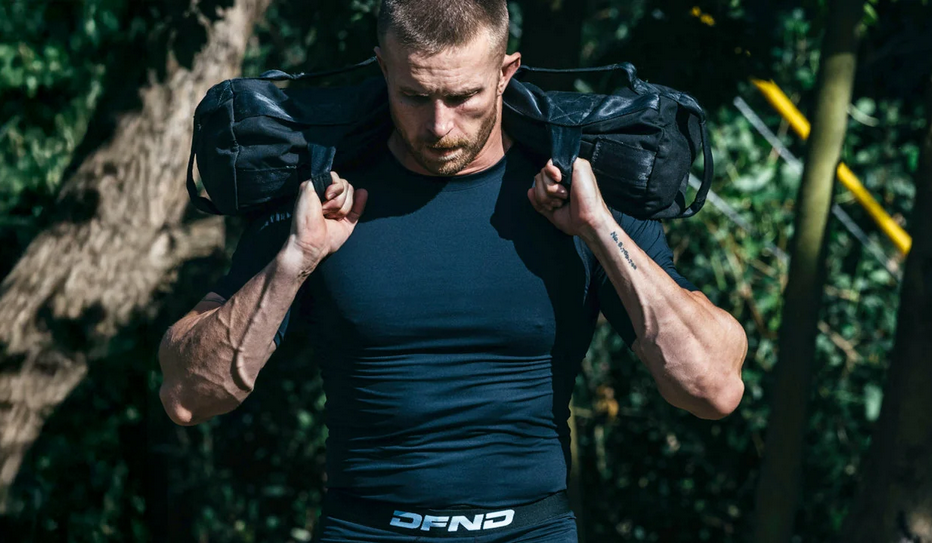
Compression shirts have become a common part of men’s athletic clothing, appearing in gyms, running tracks, training facilities, and sports fields. Their close-fitting design makes them look different from ordinary workout shirts, but many athletes still ask the same question: Do compression shirts actually work for men?
The answer solely relies on what you expect from them. Compression clothing may offer practical benefits during training, but it should not be viewed as a substitute for proper fitness training, nutrition, sleep, or recovery.
What Does a Compression Shirt Actually Do?
The purpose of a compression shirt is to fit tightly against the upper torso. It stays near the skin and moves with the body when exercising, in contrast to a loose athletic T-shirt.
Read More: Simplifying Your Pre-Workout Routine Without Sacrificing Performance Or Results
Numerous potential impacts, such as muscle mobility, exercise performance, perceived soreness, and recuperation, have been studied in relation to compression clothing. According to a thorough analysis of the literature, there is conflicting evidence rather than a single benefit that applies to all types of exercise.
Therefore, rather than considering compression clothing as a surefire way to improve performance, athletes should view it as performance wear.
Can Compression Shirts Improve Athletic Performance?
This is where expectations are important.
Compression clothing did not significantly increase running race times or time to fatigue, according to a 2025 comprehensive review and meta-analysis that looked at 51 research and 899 individuals. Additionally, the researchers gave the evidence’s certainty a low to extremely low rating.
Lower-limb compression clothing has also not been shown to provide a discernible performance benefit for high-intensity exercise outcomes as running, jumping, oxygen consumption, or perceived effort.
Therefore, wearing a compression garment does not guaranty that you will run faster, lift more weight, or work out for longer.
That does not, however, render compression gear ineffective.
Why Do Athletes Still Wear Compression Shirts?
Comfort when moving is one of the reasons. A close-fitting shirt eliminates some of the extra material found in conventional training shirts and flows with the body.
Additionally, compression clothing can serve as a streamlined base layer for additional sportswear. Reducing the amount of slack fabric in training gear can make it feel more useful for athletes who play sports that require a lot of mobility.
Features of the fabric are also important. Many contemporary sportswear items have stretch and moisture-management qualities that can make them comfortable during strenuous exercise.
What About Recovery?
Researchers have also looked into recovery.
It’s interesting to note that this evidence differs from that for immediate performance. According to a 2025 systematic review and meta-analysis that included 27 research, there were notable benefits in reducing the loss of muscle power and strength after exercise-induced tiredness.
However, less compelling findings from other systematic reviews have demonstrated why compression garments shouldn’t be promoted as a surefire way to recuperate.
The practical lesson for athletes is straightforward: while compression gear can be a component of a recovery regimen, it shouldn’t take the place of well-established recovery practices like proper rest, hydration, diet, and training progression.
Does Compression Make Sense for Gym Training?
Fitness and range of motion may be more appealing when it comes to strength training than anticipating an instant boost in strength.
When performing health workouts like bench presses, rows, squats, and conditioning work, a well-fitting shirt can stay tight to the torso. Additionally, athletes could benefit from wearing a form-fitting layer below conventional training attire.
Whether the clothing permits unhindered movement and is comfortable during the exercise is crucial.
Choosing Men’s Compression Gear for Athletes
Men who are thinking about wearing compression clothing should examine factors more than just the term “compression,” such as fit, fabric, stretch, coverage, and intended activity.
A training shirt should be comfortable and secure without being uncomfortable or distracting. Depending on their training environment, athletes can also decide whether they want long sleeves, short sleeves, or a specific amount of covering.
Men’s compression gear for athletes can offer many suited options for workouts and sports activities, allowing athletes to expand their training wardrobe.
Final Words
Compression shirts are useful for sportswear, but what constitutes “work” is important.
Compression clothing has not now proven to be a dependable means of directly enhancing running performance. However, depending on the activity, clothing, and outcome being examined, research has found possible effects related to muscle recovery and other exercise responses.
Read More: Natural DHT Blocker Supplement: What’s Actually Inside, and Why It Works Better Long-Term
Compression shirts can be a useful addition to a training wardrobe for guys who appreciate the fit, coverage, and feel of form-fitting performance wear. The ideal strategy is to select them based on their real garment benefits while maintaining reasonable expectations on what the study can and cannot show.