Social media shows people fitting three years of trash into mason jars. Regular folks see this and feel terrible about their overflowing garbage cans. The gap between perfect and reality stops most people from even trying. Here’s what actually matters: millions doing something beats thousands doing everything. The planet needs widespread decent habits, not environmental saints.
The Perfection Trap
People quit before they start. Someone swears off all plastic, then buys a wrapped sandwich and feels like a failure. Another pledges to bike everywhere until rain falls. Then they drive and give up completely. Guilt comes fast and hard. Forgot your metal straw? Failed the planet. Did you drive to work? Environmental disaster. This thinking makes people throw up their hands and stop trying. Why bother when you’ll just mess up anyway?
Real change doesn’t work that way. Nobody wakes up transformed. You practice something until it sticks. The person who brings lunch twice weekly creates less waste than someone with grand meal-prep plans who never starts. Comparing yourself to others makes it worse. Your neighbor composts everything, while you still use paper towels. But maybe they take five flights a year while you haven’t flown since 2019. Everyone’s different. Some excel at reducing plastic. Others cut energy use. A few grow their own food. Nobody does it all perfectly, despite what their Instagram suggests.
Small Wins Add Up
Half of Americans cutting waste by 20% would crush the impact of a tiny group achieving zero waste. Big groups making modest changes beat small groups being perfect. Coffee habits prove the point. A reusable mug used three days weekly prevents 150 disposable cups yearly. Sure, you still grab paper cups sometimes. But multiply your imperfect habit by millions of coffee drinkers. Mountains of trash disappear.
Same goes for cooking. One extra home dinner each week keeps dozens of takeout containers out of garbage trucks. You haven’t become a meal-prep master. Just a person who orders slightly less delivery. Cut meat one day weekly? That matters too, even if bacon still shows up on weekends.
Building Momentum
First victories lead to more. Nail the grocery bag habit, then notice your water bottle sitting unused. Fix that. Then comes the coffee mug. Before long, these actions feel normal, not forced. Pick battles you’ll win. Love coffee shops? Cool, just bring a mug sometimes. Despise meal planning? Skip it but buy less packaged food instead. Hate cloth napkins? Keep paper ones but try bamboo toothbrushes. Match changes to your actual life.
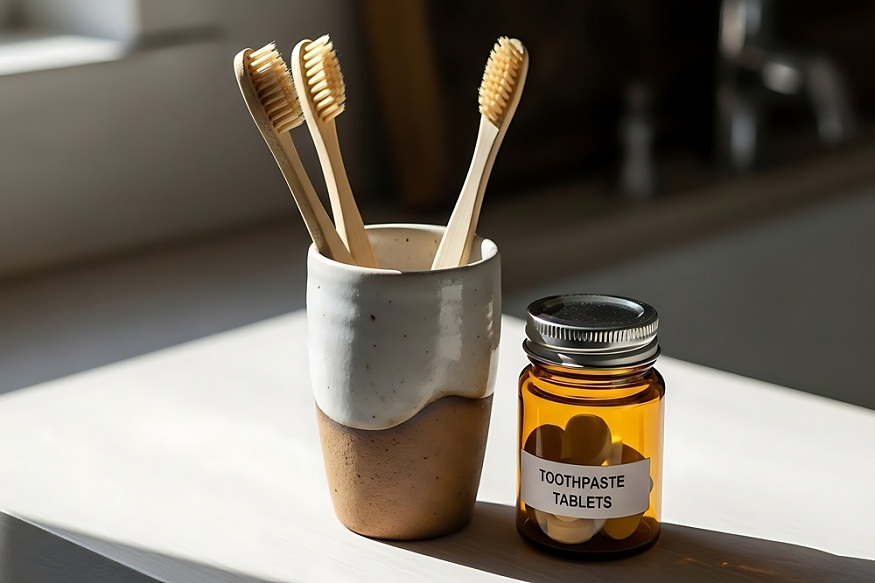
The bathroom makes a great testing ground. Zero-waste oral care sounds radical until you try it. It just means switching what you buy. Companies like Ecofam help people transition smoothly with bamboo brushes and toothpaste tablets that slip right into morning routines. Different products, same habits.
The Ripple Effect
Actions speak louder than lectures. Coworkers spot your lunch container and get curious. Friends notice bamboo in your bathroom. Kids absorb daily habits, ignoring speeches about saving Earth. Stores adapt when enough customers change. Skip bags consistently and better options appear. Buy sustainable products regularly and prices drop. Innovation follows demand, not wishes. Patient persistence reshapes neighborhoods. That family reducing waste by 30% influences more people than their neighbor attempting zero waste for three days. Quiet consistency spreads further than dramatic gestures.
Conclusion
Progress happens through regular people doing reasonable things repeatedly. Chasing perfection creates guilt and paralysis while building habits creates change. Pick manageable shifts. Practice until they’re automatic. Add more later. This slow approach works because it lasts. Forget perfect sustainability; the planet needs millions making modest improvements, starting today, continuing tomorrow. That’s how real change happens. Not through perfection, but through persistence.