Venous insufficiency is a common circulatory disorder that affects millions of people across the world. It occurs when the veins, especially in the legs, struggle to send blood back to the heart efficiently.
This can lead to blood pooling, swelling, discomfort, and, over time, more serious complications. Adopting a targeted diet can significantly support vein health, reduce symptoms, and improve overall quality of life. Additionally, it is important to note that medical interventions from the best vascular surgery hospital in Coimbatore play a crucial role in managing venous insufficiency more efficiently. In this blog, let’s see how diet can help manage venous insufficiency.
What Is Venous Insufficiency?
Venous insufficiency, also known as Chronic Venous Insufficiency (CVI), is a condition in which the valves in the veins become weakened or damaged. Normally, these one way valves ensure that blood flows upward toward the heart. When they fail to function properly, blood may flow backward and accumulate in the veins, leading to increased pressure and swelling.
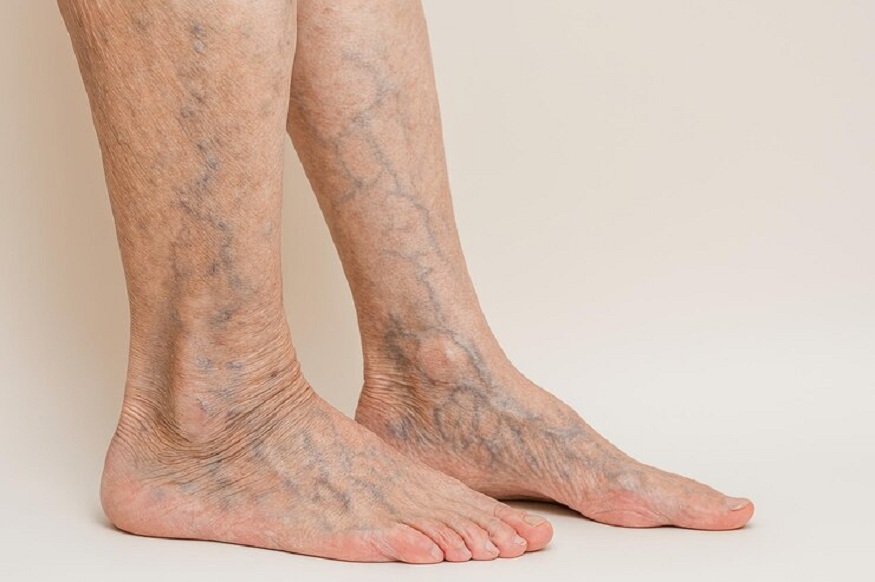
Over time, this can cause visible varicose veins, skin changes, and even ulcers if left untreated. While venous insufficiency can affect anyone, it is more common among older adults and individuals with a sedentary lifestyle, obesity, or a family history of vein problems.
What Are The Symptoms Of Venous Insufficiency?
Recognizing the symptoms of venous insufficiency early can help manage the condition more effectively. Common signs include:
- Swelling in the legs or ankles, especially after prolonged periods of standing.
- Varicose veins, which appear as bulging, twisted veins just beneath the skin.
- Leg pain or heaviness often worsens towards the end of the day.
- Skin changes, such as dryness, discoloration, or itching around the affected veins.
- Ulcers or sores, usually near the ankles, that are slow to heal.
Some people may also experience cramping, tingling, or restless legs at night. It is important to consult a healthcare professional if these symptoms persist, as early intervention can prevent complications.
What Causes Venous Insufficiency?
Several aspects can lead to venous insufficiency:
- Weak Or Damaged Vein Valves: This can be hereditary or result from aging.
- Obesity: Excess weight puts additional pressure on leg veins.
- Prolonged Sitting Or Standing: Lack of movement can reduce circulation.
- Pregnancy: Hormonal changes and increased blood volume may strain veins.
- History Of Blood Clots: Previous Deep Vein Thrombosis (DVT) can damage valves.
- Sedentary Lifestyle: Weak leg muscles can impair the pumping action of veins.
Understanding these risk factors allows individuals to take preventive measures, such as staying active, maintaining a healthy weight, and supporting vein health through diet.
Can Diet Help Manage Venous Insufficiency?
While medical treatments like compression therapy, medications, or minimally invasive procedures are often necessary, diet can play a complementary role in managing venous insufficiency. Certain foods and nutrients support vein strength, reduce inflammation, and prevent fluid retention. The venous insufficiency diet should include
- Foods Rich in Flavonoids: Flavonoids are plant compounds that strengthen blood vessel walls, reduce inflammation, and improve circulation. Sources include citrus fruits, berries, and dark chocolate in moderation. Regular intake of flavonoid rich foods may help reduce leg swelling and prevent the progression of varicose veins.
- High Fiber Foods: Constipation can worsen venous insufficiency by increasing pressure in the abdominal and leg veins. A fiber rich diet keeps the digestive system healthy and reduces strain on the veins. Fiber rich foods are legumes, whole grains, vegetables, and fruits. Adequate hydration alongside fiber intake enhances bowel regularity, further relieving venous pressure.
- Anti Inflammatory Foods: Chronic inflammation can weaken vein walls and exacerbate symptoms. Foods that fight inflammation include fatty fish, nuts, seeds, and green leafy vegetables. Incorporating these foods into daily meals can reduce swelling and improve overall circulatory health.
- Low Sodium Diet: Excess sodium contributes to water retention, which can worsen leg swelling and discomfort in people with venous insufficiency. Reduce salt intake by limiting processed foods, pickles, and packaged snacks, and flavor meals with herbs and spices instead.
- Adequate Hydration: Staying well hydrated is essential to reverse poor blood circulation. Water helps maintain optimal blood viscosity, preventing pooling and reducing the risk of clot formation.
The above are the foods for vein health. Incorporating these into your diet every day can help manage venous insufficiency.
How Can Venous Insufficiency Be Treated?
Besides dietary strategies, venous insufficiency management often includes:
1) Compression Stockings: These improve blood flow in the legs.
2) Exercise And Movement: Walking, swimming, or leg strengthening exercises support circulation.
3) Medical Procedures: Sclerotherapy, endovenous laser therapy, or vein surgery may be required for severe cases.
4) Weight Management: Maintaining a healthy weight reduces pressure on leg veins.
Combining medical care with lifestyle modifications, including diet, ensures better long term outcomes and symptom relief.
Conclusion
Venous insufficiency is a chronic condition that can significantly affect mobility and comfort. While medical treatments address the underlying venous dysfunction, dietary changes can serve as a powerful complementary approach. Incorporating flavonoid rich fruits, high fiber foods, and anti inflammatory ingredients, reducing sodium, and staying hydrated can improve circulation, strengthen veins, and reduce swelling.
Switching to the above diet, along with getting proper vein spider treatment in Coimbatore, helps individuals manage venous insufficiency effectively and maintain healthier legs. By taking a proactive approach to nutrition and lifestyle, it is possible to slow the progression of venous insufficiency, alleviate symptoms, and enhance overall quality of life.