
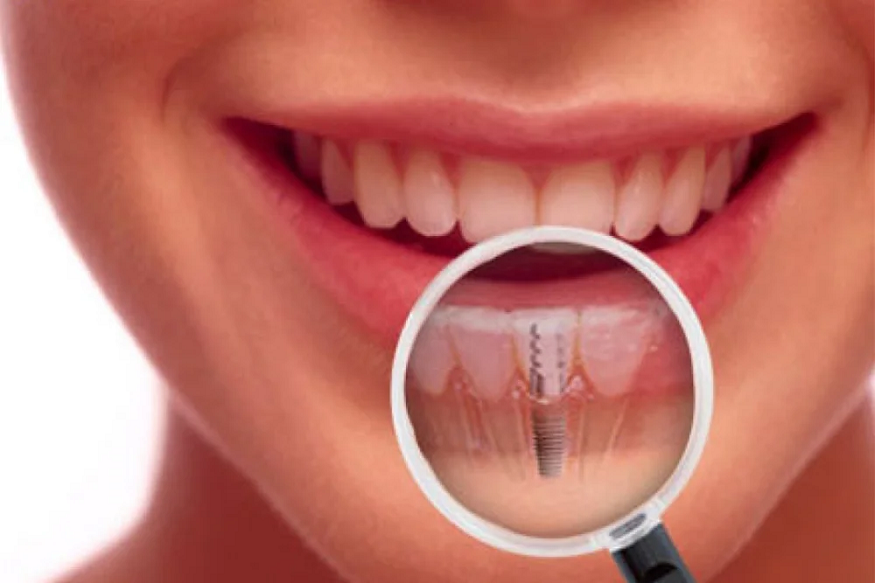
A stray elbow at netball, a clumsy clash on the footy oval, a fall off the bike—sport can undo a smile in a heartbeat. Losing a tooth mid-season doesn’t just change a photo; it can throw off speech, make meals awkward and sap confidence on the field.
Dental implants offer a steady way back. Done well, they restore bite strength and appearance while respecting training loads, contact risks and the calendar that matters most to athletes: the next game, the next race, the next lift.
Why Implants Suit Active People?
Anaffordable dental implants Sydneyreplaces the missing root with a titanium post and supports a ceramic crown. It stays put during sprinting, grappling and contact, unlike a removable plate that can shift under load. Bridges rely on neighbouring teeth, which is not ideal if those teeth already take a battering. For readers comparing options locally, pricing pages such as can help you understand typical inclusions before you book a consult.
Implants also help maintain jawbone, which supports facial structure and a stable bite. That matters for athletes who clench during lifts or grind through long sessions. A balanced bite spreads force and protects the remaining teeth.
Timing treatment around the season
An athlete who loses a front tooth mid-season needs a plan that protects healing while keeping them in the program. Immediate tooth implants Sydney placement can be possible if the socket walls are intact and infection is absent. Where bone is thin or damaged, clinicians may stage treatment: extraction, a short healing period, then the implant. Bone and implant typically integrate over several months. During that time, a temporary tooth and a well-fitted mouthguard keep things presentable and protected.
Return-to-play decisions depend on the sport and contact level. Skill work without contact often resumes quickly. Full contact waits until soft tissues settle and the provisional crown is secure. Communication between dentist, strength coach and team doctor keeps the plan realistic.
Surgical Details That Influence Sport
- Bone and Grafting:Trauma can leave the front jaw thin. A small graft improves long-term stability and gum contour, even if it adds time upfront.
- Implant Position: Depth and angle affect both appearance and how a mouthguard seats. Correct positioning reduces leverage on the implant during hits.
- Bite Set-Up: Athletes often clench under load. The provisional and final crowns are shaped to avoid high spots that could overload the implant.
- Mouthguards: A custom laminated guard is essential. Expect one version for the provisional stage and a fresh one after the final crown. Consistent use in training, not just on game day, pays off.
Training, Food, and Recovery
Keep moving while you heal. Early on, choose low-impact cardio, mobility work and technique drills that avoid head contact. Many athletes hold off on max lifts for a fortnight to keep facial pressure down. On the nutrition side, steady protein, calcium and vitamin D support bone. Hydration helps oral tissues recover. Smoking delays healing and increases complication risk, so quitting is a wise call.
Durability, Risks, and What to Watch
Well-maintained implants show strong long-term survival. Sport adds variables: jaw impacts, bruxism, dehydration. Regular reviews, a night guard if you grind and strict mouthguard use limit those risks. After a knock, report any tenderness, bleeding or sudden looseness around the implant. Early checks prevent small issues from turning into big ones.
Cost, Value, And Choosing A Provider
The dental implants cost Sydneyvary with imaging, extraction complexity, grafting needs, materials and the number of visits. Chasing the lowest quote can backfire if follow-up care is thin. Compile a shortlist, then assess clinical experience, clear itemised quotes and access to urgent review if you cop a hit in training.
When meeting a prospective provider, ask:
- Do you manage sport-related trauma often, and can you coordinate with my club staff?
- Is immediate placement a safe option for my case, or should we stage it?
- What is your mouthguard protocol across provisional and final stages?
- How do you handle timelines if a graft needs more time to mature?
A second opinion is standard when seasons are on the line.
Prevention still leads the way
A quality custom guard reduces dental injuries and soft-tissue cuts. Replace it if it loosens, cracks or after orthodontic changes. Train with it so breathing and calls feel natural. Pair it with sensible rules at training: no contact blocks in the first week after surgery, no heavy bar contact on the collarbone that jars the jaw, and no sparring without the guard. For readers searching general options, clinics offering dental implants Sydney often also offer same-day guards, which streamlines care.
Quick Answers
- Will the tooth look natural on camera? Modern ceramics and careful gum shaping give lifelike results. Shade matching accounts for stadium or studio lighting.
- Can I keep lifting? Yes, at sub-max loads early on. Your dentist will advise when to resume heavy work.
- Are implants suitable for younger athletes? Implants suit finished jaw growth. For adolescents, temporary solutions bridge the gap until adulthood.
The Bottom Line
A lost tooth does not need to derail a season. With a staged plan, consistent mouthguard usage and clear communication between dentist and club staff, cheap dental implants Sydney restore function and confidence without sacrificing training too long. Do your homework, choose a clinician who understands sport and keep prevention front and centre.